
Initial site evaluation
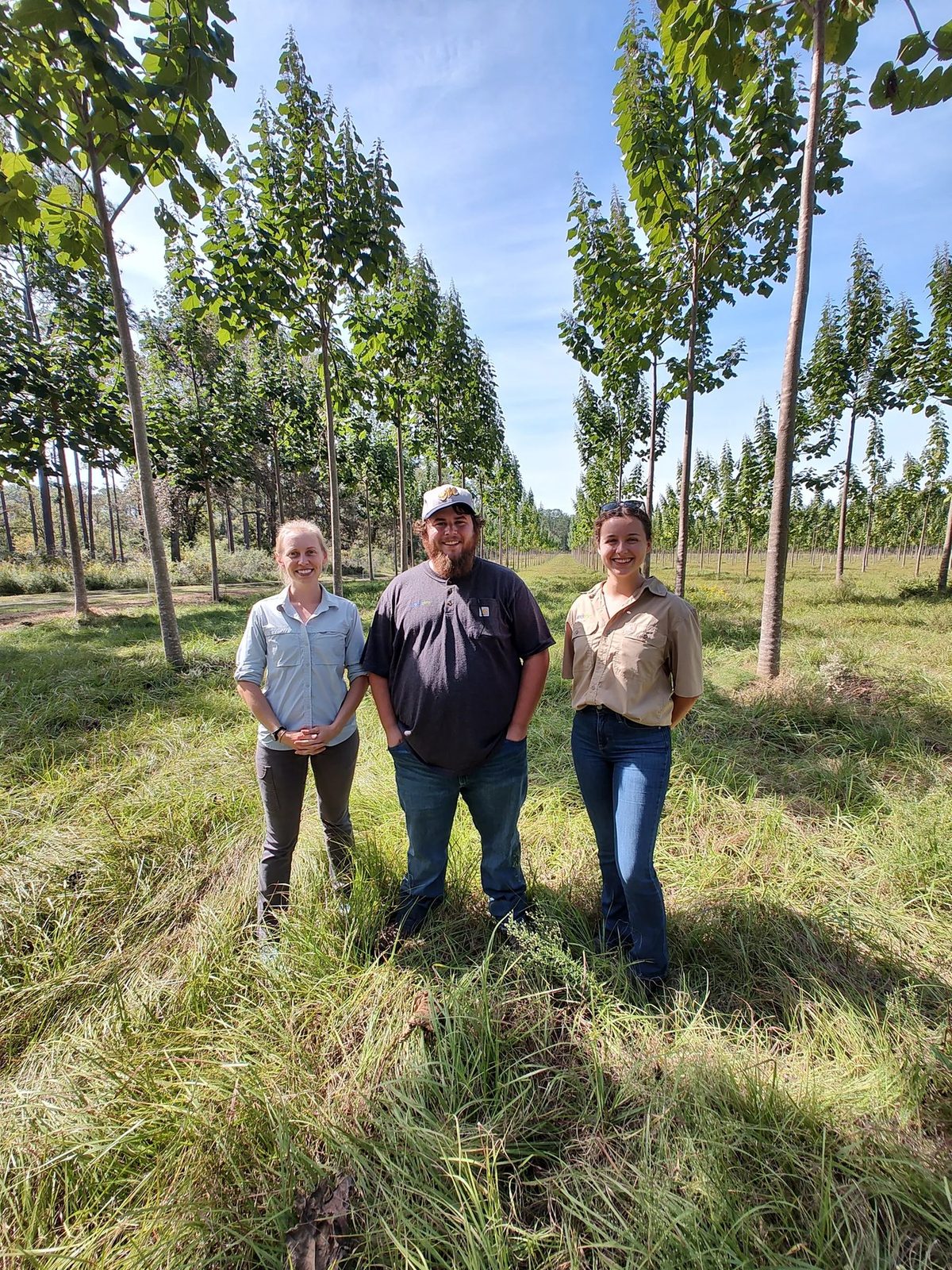
The key to a successful Paulownia stand is to ensure your site is conducive to growing these trees. Paulownia trees prefer well-drained, sandy/sandy-loam soils. While they can grow in a wide range of climates and/or soils, several limiting factors can inhibit the growth of high-quality, merchantable timber.
Limiting factors
- High clay content (> 60% clay)
- Compaction
- Excessively low pH (< 5)
- Poor drainage
- High water table
- Bedrock, fragipan, or other restrictive features
- Drought or low rainfall
- Excessively rocky or stony soil
How the evaluation process works
Following your initial contact with a World Tree Representative, we will begin our online land-checking process. To do this, we will need the GPS coordinates or an address for your property. Any survey, parcel information, or stand delineations in your records would expedite our process.
Depending on your location and the timing, you may be requested to collect and submit soil samples for testing. Alternatively, a World Tree Representative will visit your site to conduct an evaluation and guide you through the soil sampling process.
Soil testing
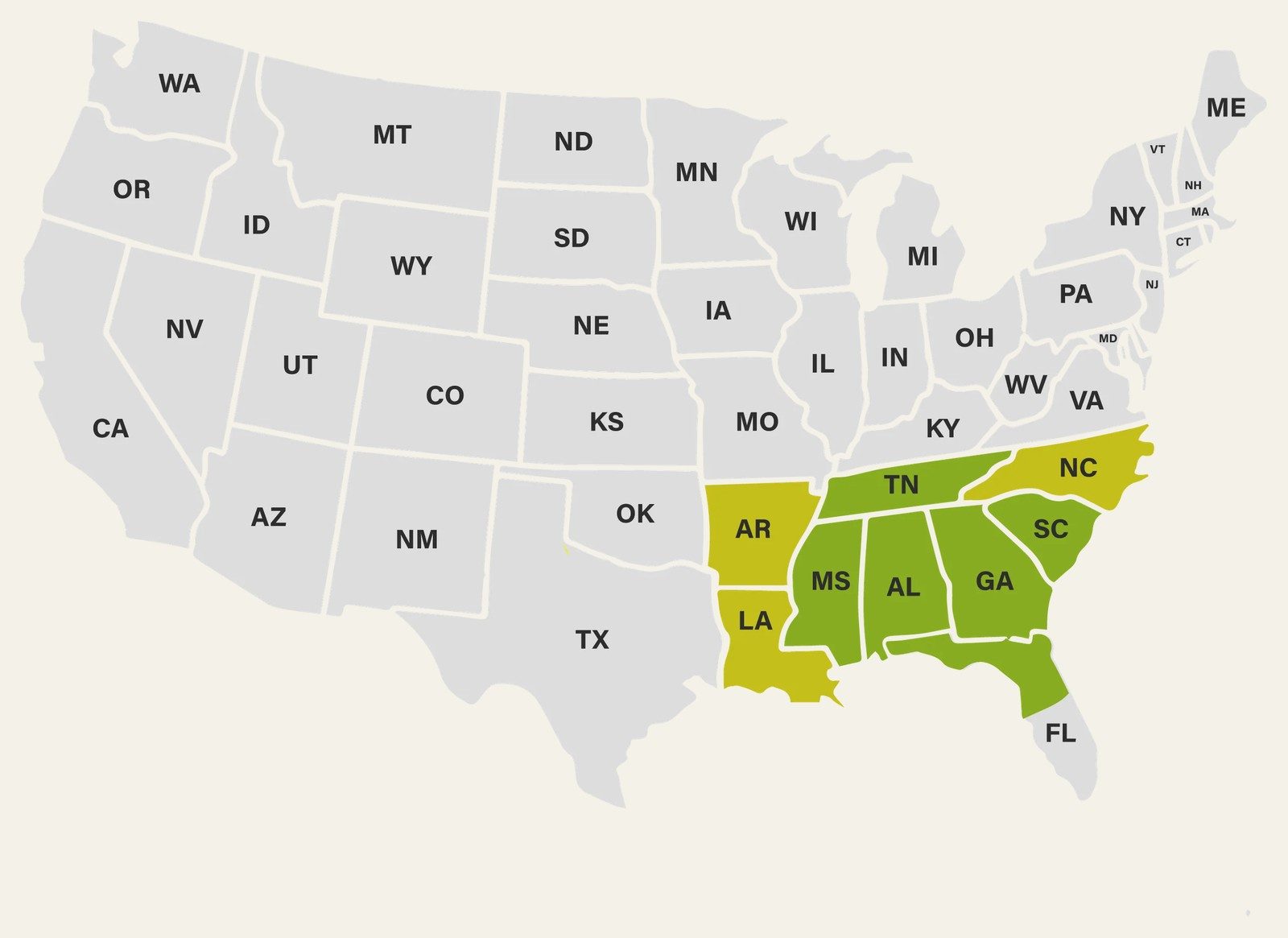
In most of our regions, your local County Extension Office will offer low-cost, routine soil analysis. Be sure to work with the office in your corresponding county, as they are the most familiar with your local soil types.
- ALAlabamaAlabama Cooperative Extension System
- ARArkansasUniversity of Arkansas Division of Agriculture
- FLFloridaUniversity of Florida IFAS Extension
- GAGeorgiaUniversity of Georgia Agricultural & Environmental Services Laboratories
- LALouisianaLSU AgCenter Soil Testing & Plant Analysis Lab
- MSMississippiMississippi State University Extension
- NCNorth CarolinaNC Department of Agriculture Agronomic Services
- SCSouth CarolinaClemson University Agricultural Service Laboratory
- TNTennesseeUniversity of Tennessee Soil, Plant and Pest Center
When taking soil samples, keep in mind
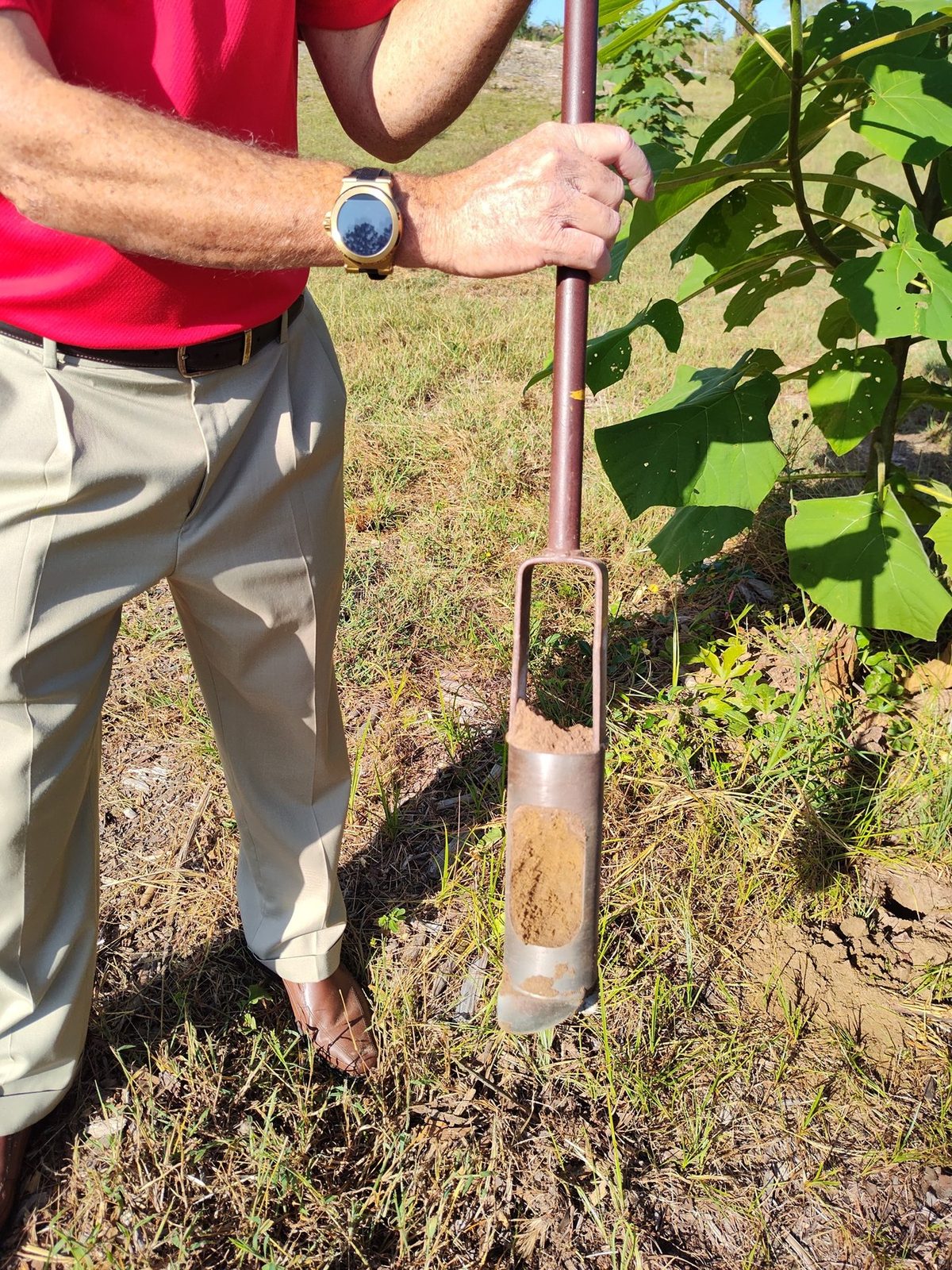
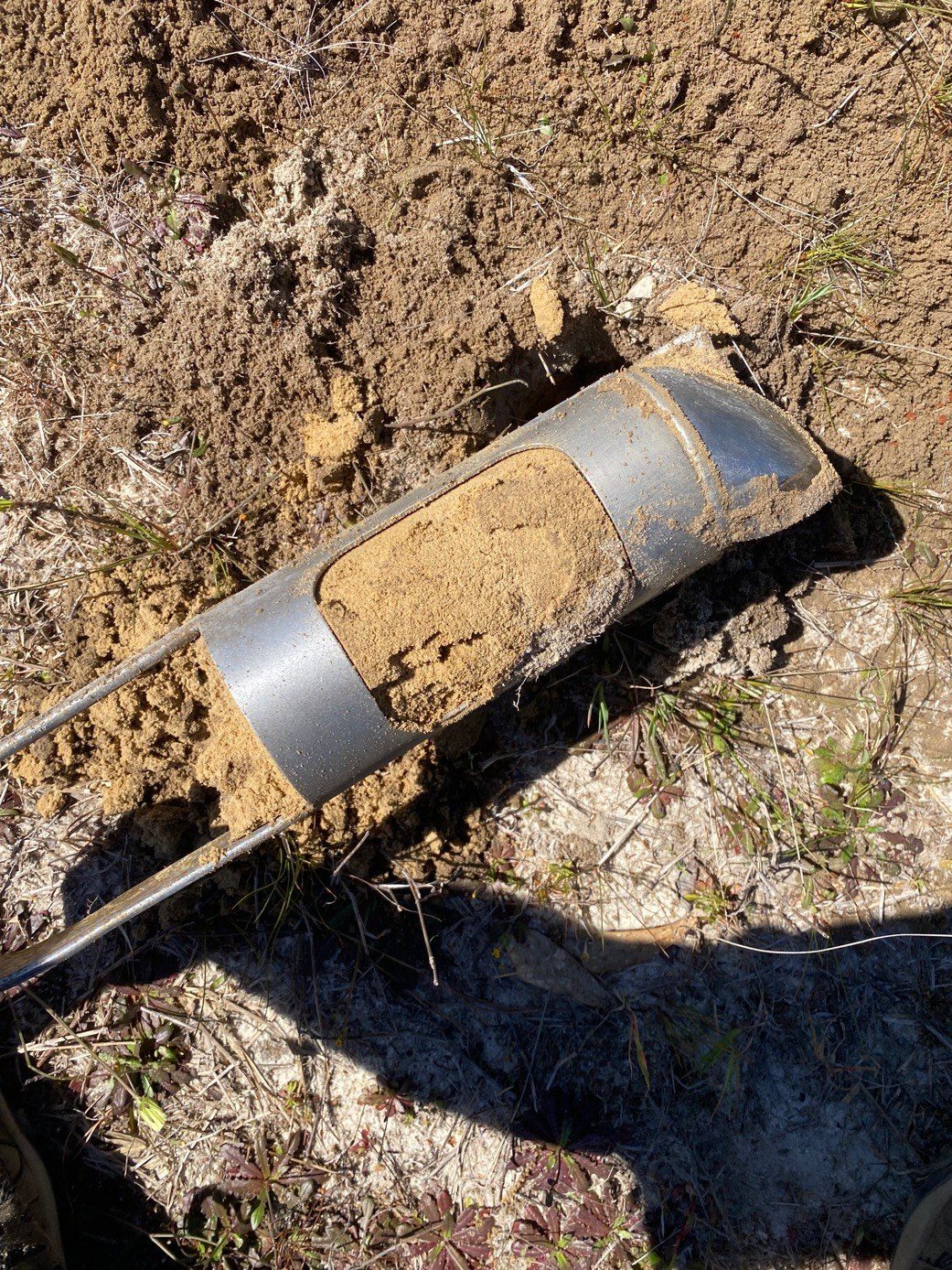
- Collect a range of samples across the different physiographic regions of your stand.
- We would like at least one sample per 5 acres.
- Soils will vary across any given area depending on slope, drainage, land use history, parent material, and many other factors. It is important to take samples that are representative of the variation present.
Typically, the parameters we are looking to evaluate are
- pH (ideally 5.7–6.5)
- Nutrient availability
- Soil texture (less than 60% clay)
- In most cases, texture can be evaluated in the field.
This information allows us to create a map of your plantable footprint and gives us a better idea of how to develop a personalized approach to the site preparation process.