
Methods of site preparation
Site preparation is not just a step in the process, it's a crucial factor in the success of your tree growth. The appropriate methods will vary depending on the condition of your site. Typically, it consists of making necessary soil amendments, establishing ground cover, and, in general, preparing your land for planting.
- The site preparation process for someone with old agricultural land will be more straightforward than it would be for land with several years of natural regeneration.
- It's important not to underestimate the timing of site preparation. Rushing through it too close to planting can lead to issues down the road, potentially causing additional labor and headaches. Completing site preparation within the proper time frame ensures a successful planting and saves you from unnecessary stress and work in the future.
- Soil amendments are not a quick fix. They can take months to fully effect, so it's crucial to determine and implement necessary amendments as soon as possible. Our goal for site preparation is to set each farmer up for long-term success before planting. The more energy and effort you invest in the site preparation process, the better results you'll see with your trees in the long run.
Soil amendments
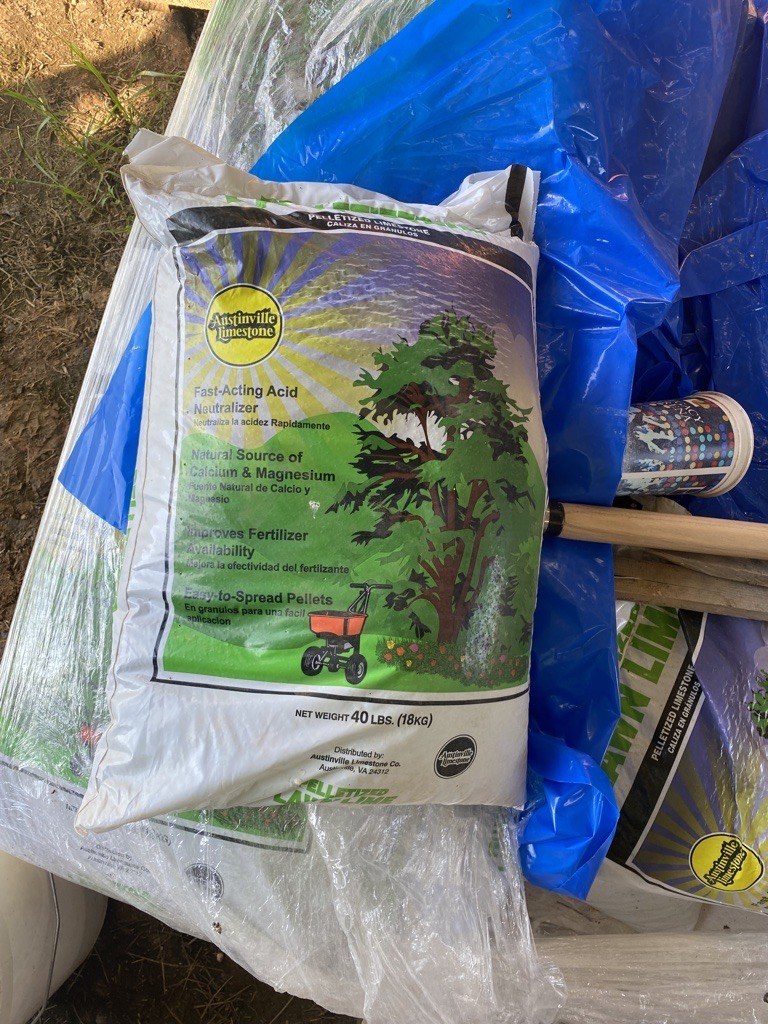
Necessary soil amendments will be determined from your soil tests.
- The ideal soil pH is 5.7–6.5, so if your soil pH is below 5.7, you should apply lime as soon as possible.
- If you have acidic soils, you will need to supply calcium (Ca) and magnesium (Mg) in the form of calcitic lime or dolomitic lime. Calcitic lime is faster-acting and more commonly used to neutralize the soil unless there is a magnesium deficiency. Soils deficient in Mg should use dolomitic lime.
- Applying lime before the growing season is important if your soil is acidic. Lime works by neutralizing the acid in the soil, but it takes time to do its job. Scatter the lime around the intended root zone at the recommended rates for your soil type. Based on your soil tests for the following year, this process will most likely need to be repeated as necessary. By following these steps, you can effectively manage the acidity of your soil and create a favorable environment for your trees.
Weed removal
- Weeds should be eliminated before planting as they can compete with the tree for nutrients, moisture, and light.
- We don't recommend the use of herbicide because of the potential damage to the young trees and overall soil health, but many non-residual systemic types are suitable if used well before planting.
- Avoid using any pre-emergent chemicals 1–2 weeks before planting because there may be residual effects on your trees.
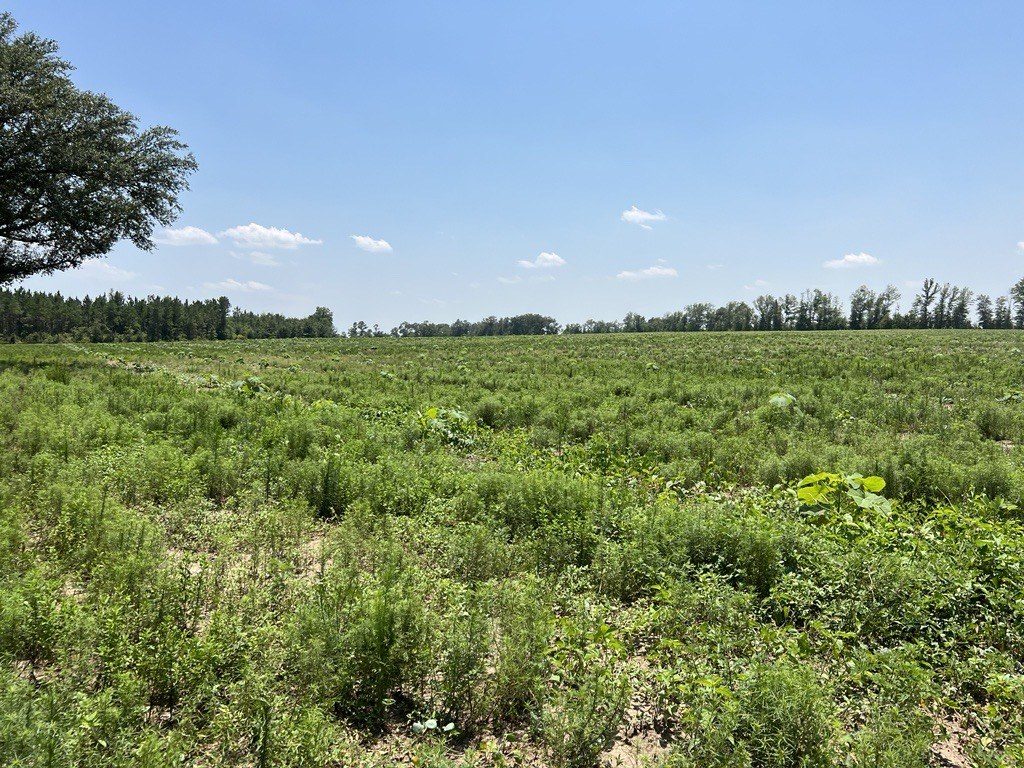
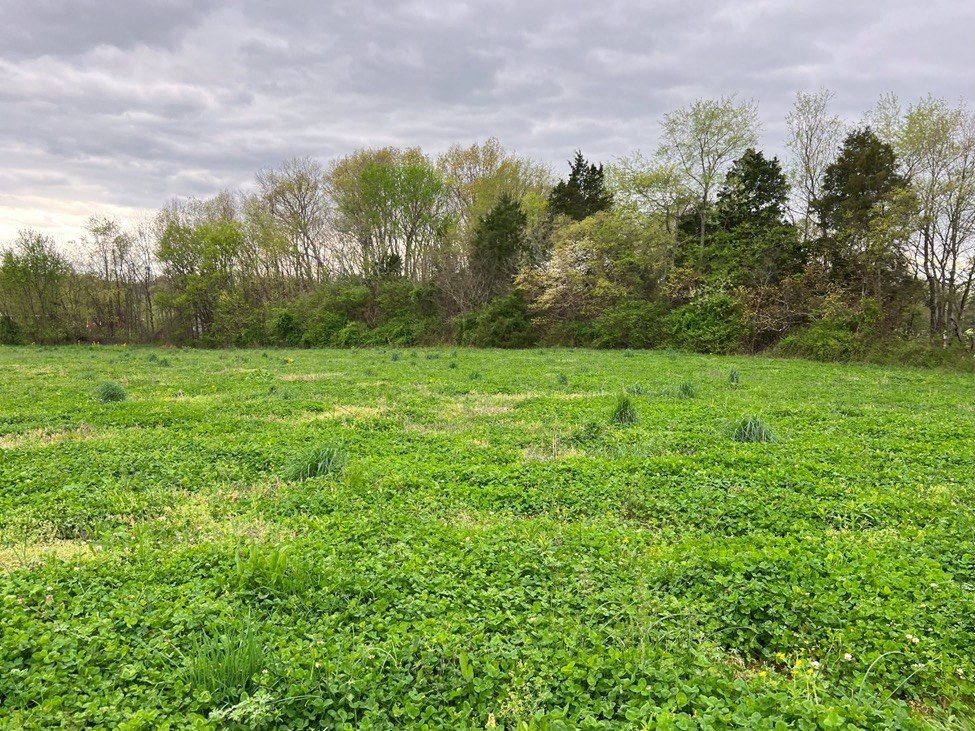
- Planting cover crops is an excellent method to suppress weeds, and this will have numerous other benefits for your trees, as outlined below.
Establishing cover crops
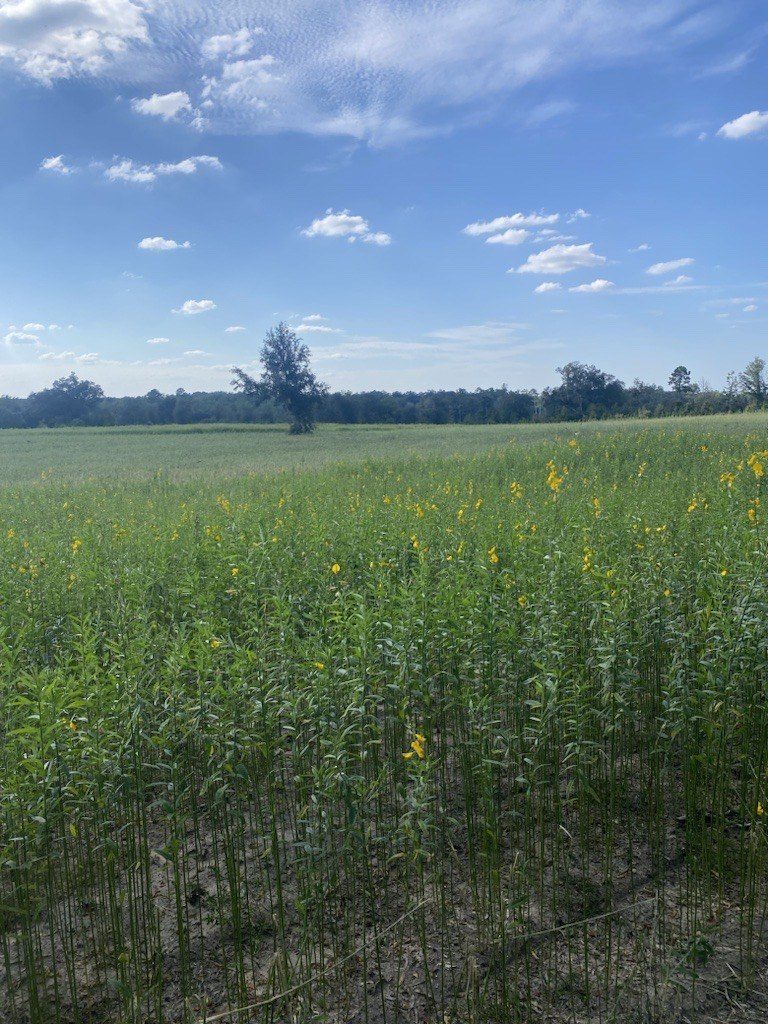
We cannot emphasize enough the importance of cover crops for your stand's long-term health and success. Whether the cover is your natural regeneration in the understory or a tailored mix of spring and fall perennials from your local co-op, cover crops will provide innumerable benefits to your plantation. Your planting site's conditions will dictate whether your cover crops should be established before or after planting your trees. Consult your World Tree Rep for the best option for your site.
Cover crops serve your trees by
- Providing soil structure and preventing erosion.
- Fixing nutrients back into your soil.
- Helping your soil retain moisture.
- Breaking up compaction to allow for better water infiltration.
- Suppressing weeds.
- Adding organic matter.
- Attracting beneficial insects.
Cover crop options
Pre-planting annuals
- If time allows, in the year prior to planting, it is recommended to plant a bean crop, such as soy, hairy vetch, or field peas, to fix nitrogen into the soil.
- Keeping living roots in your soil prior to planting will greatly benefit your trees.
- The key is to mow or crimp these crops before they become too large to manage.
Perennials
- Reduces the cost of planting cover crops year after year.
- Have a more extensive and efficient root system than annuals.
- If you'd like to try a calculator that will give cover crop recommendations for your location, visit smartmix.greencoverseed.com.
EQIP: Environmental Quality Incentives Program
- EQIP is a conservation program through the NRCS that provides technical and financial assistance to landowners to address natural resource concerns.
- EQIP can help landowners cover the cost of site preparation by establishing program-approved cover crops (available practices and standards vary by state).
- Landowners should contact their local NRCS office and set up a visit to discuss available options for their area and property.
- More information can be found on the NRCS EQIP page.
Preparing your land
- Our stands are planted at a density of 110 trees per acre.
- 20' x 20' grid: Preferred spacing for farmers only interested in growing timber.
- 25' x 16' grid: Ideal for farms interested in alley cropping.
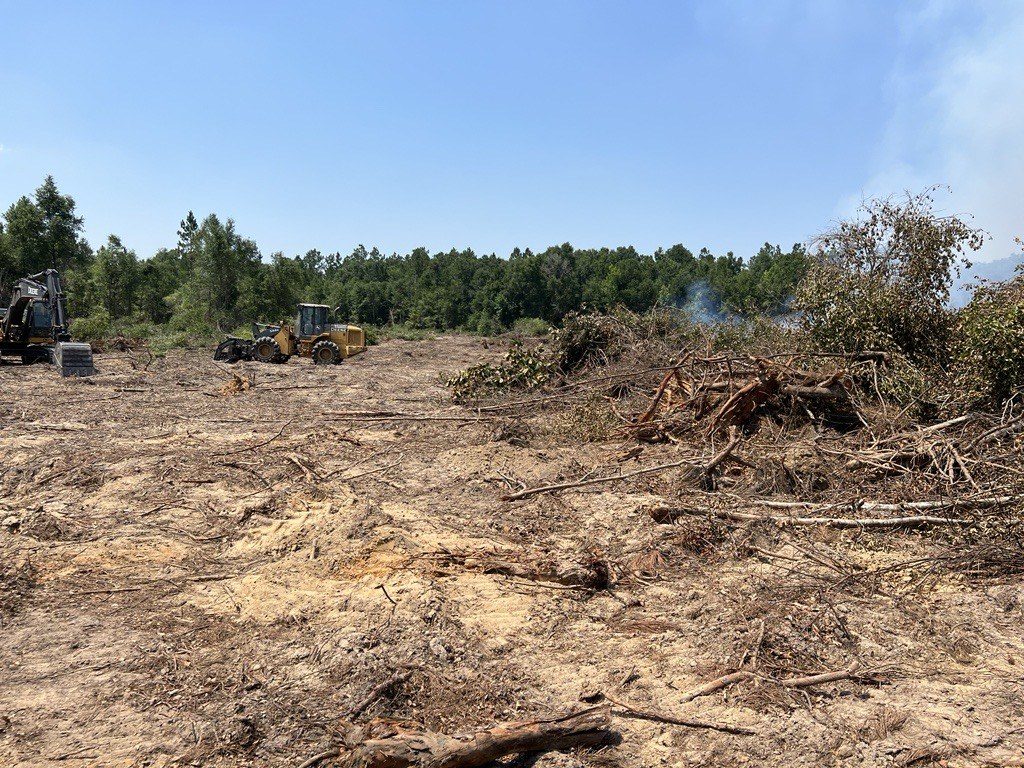
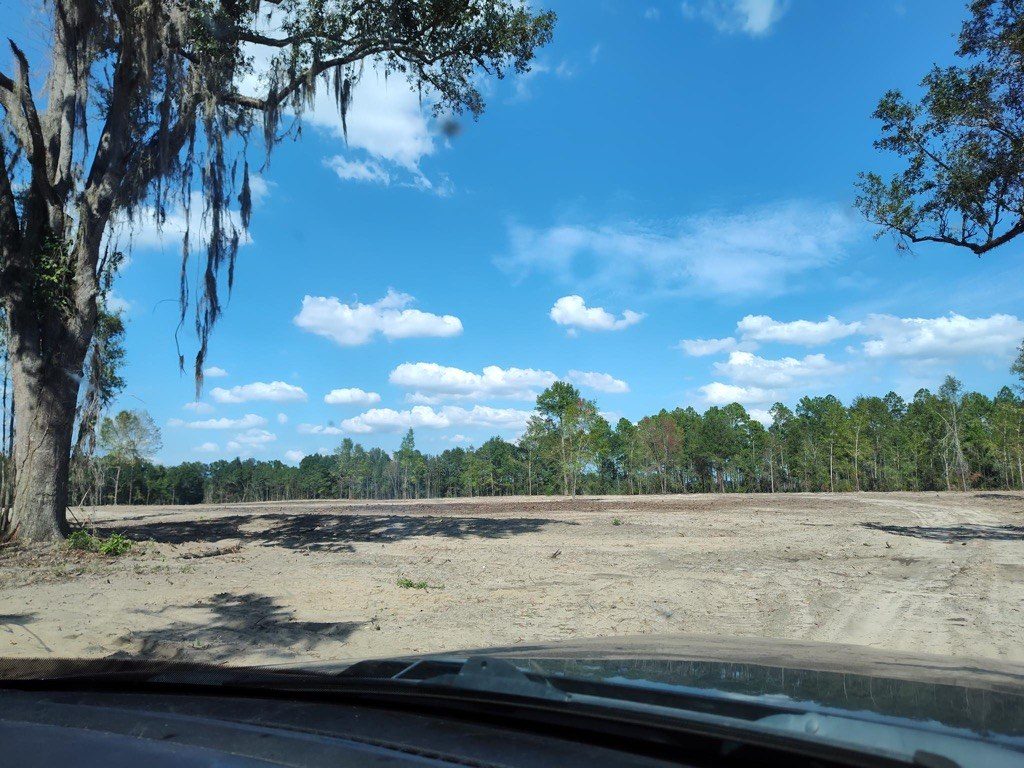
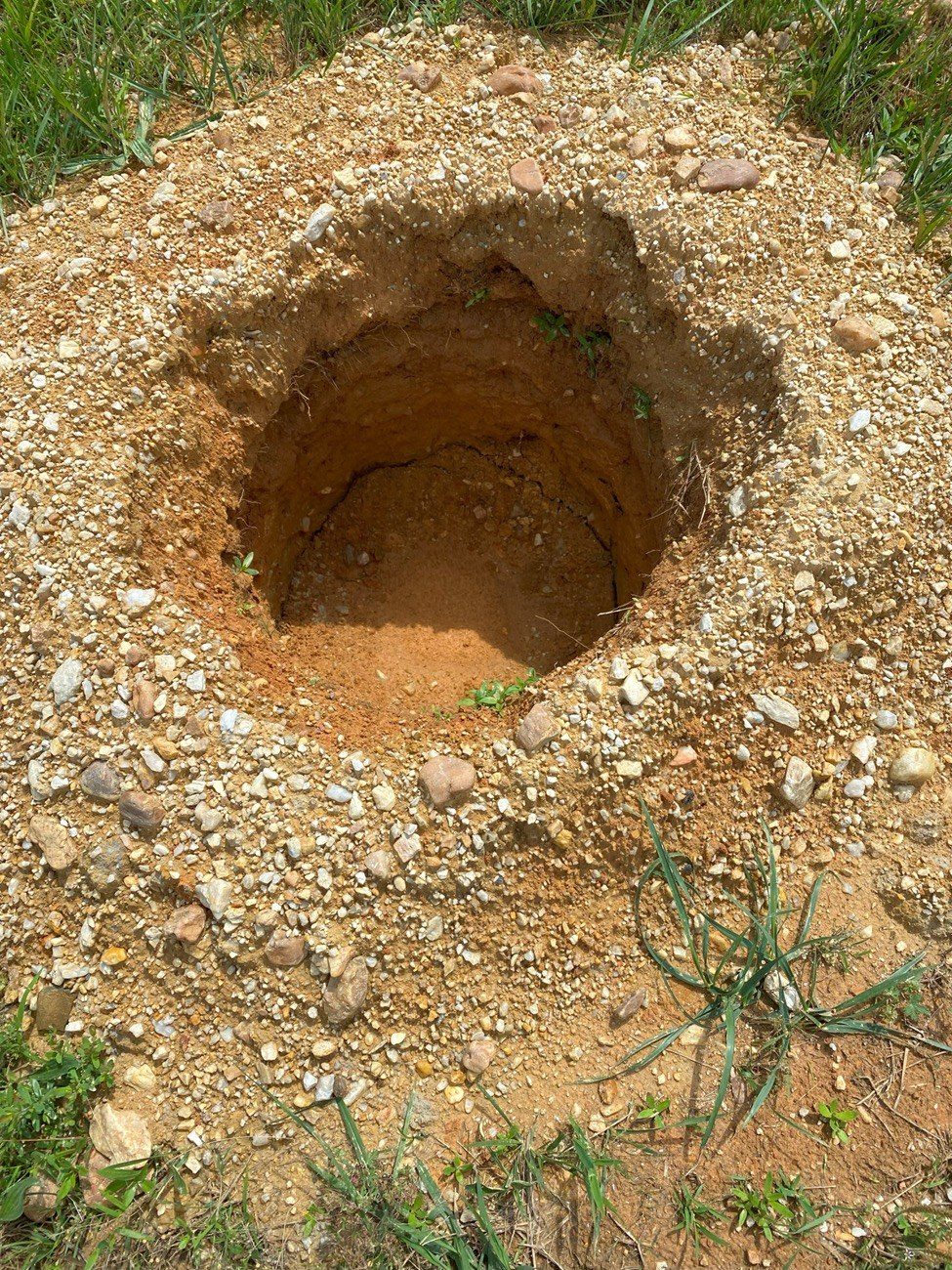
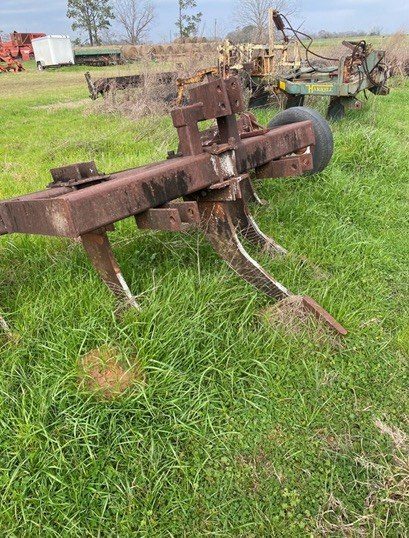
- Use machinery to loosen and fracture the soil to approximately 30–50 inches deep; this should be done at least one month before planting.
- Our preferred methods are to use either an auger (24–36") or subsoiling shanks.
- The method you choose for your farm will entirely depend on your soil conditions, the machinery you have access to, and the land use history of your property.
- Consider the pros and cons listed below and contact your World Tree representative to determine the best method for your site.
- Plan out your grid before using any machinery.
- If your stand has a significant slope and/or contour, you should run your rows parallel with the contour of the stand to avoid erosion.
- Using a subsoiling shank, you can rip perpendicular rows and plant each tree at the intersections.
- Using an auger will require more intensive planning and measuring to ensure each hole is at the correct spacing.
- After using the determined machinery, mark each hole or cross-section with flagging to easily find the correct spot when planting.
Pros and cons of mechanical site prep methods
| Method | Pros | Cons |
|---|---|---|
| Ripping (subsoiling) |
|
|
| Auguring |
|
|